I Built eFitLog to Work With My Workout, Not Against It
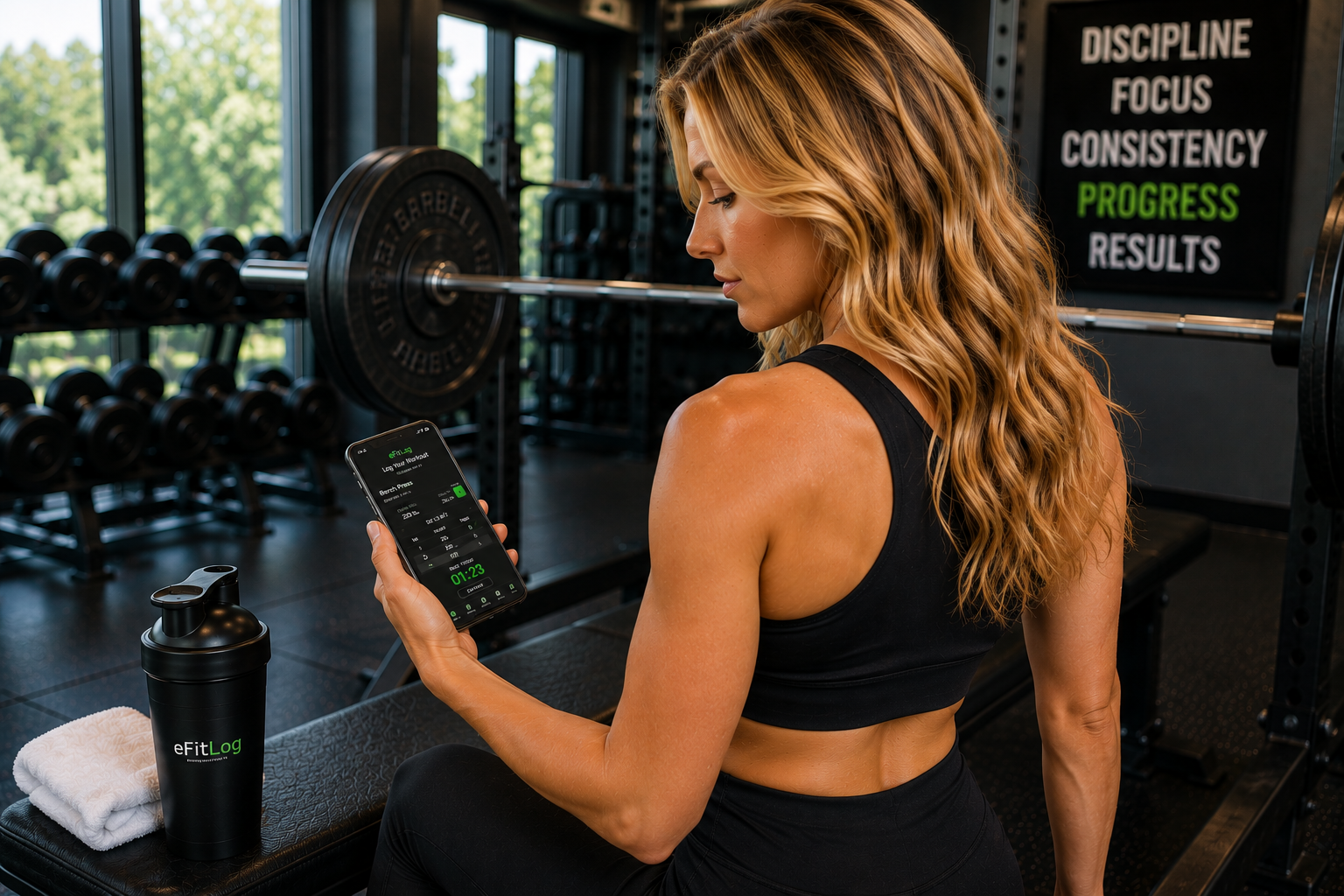
There is a reason eFitLog's Workout Center is built the way it is.
It isn't because I sat down and tried to imagine every feature someone might want in a workout tracker. A lot of it came from something much simpler: I use it.
I lift with eFitLog. I have workouts and routines I've built around the way I train, and when I'm in the middle of a workout, the last thing I want to do is stop training so I can spend time operating an app.
A workout tracker should help me train. It shouldn't become part of the workout.
That philosophy explains a lot about eFitLog.
I Plan My Workouts. I Don't Script Them.
Most of the time, I start by loading a workout I've already created. That gives me structure before I ever touch a weight. I know what I'm training and I have a list of exercises ready to go.
When I get to the first exercise, one of the first things I normally do is tap Add Set until I have the three sets I intend to perform. Three sets happens to be how I train most exercises, but eFitLog doesn't require me to train that way. I can add the sets I need for that exercise and that workout.
Then I enter the weight I'm planning for the first set.
And I put the phone down.
It's time to lift.
That's an important distinction because I didn't design eFitLog around the idea that I should spend my workout staring at it or my phone. I designed it so I can get the information I need, enter what I need to enter, and get back to training.
What Did I Do Last Time?
Of course, sometimes I get to an exercise and I'm not sure where I want to start.
That's where tracking previous workouts becomes useful.
I don't need to search through months of workout history or try to remember what I did the last time I performed that exercise. The Workout Center gives me information about my previous performance right where I'm entering today's workout.
I can see my last workout average and my all-time max for the exercise.
Sometimes that's all I need.
If I want more information, I can pull up my last exercise performance and see the actual sets from the previous session. Now I can see the weights and reps I performed and make today's decision based on something much more useful than a guess.
That's one of the reasons I believe tracking matters.
The Internet can tell me what somebody else thinks I should lift. My workout history tells me what I actually lifted, and more importantly, it helps informs me what I will lift now.
That doesn't make the decision for me. It gives me better information to make it myself.
I Do Most of My Logging While I'm Already Resting
After I finish the set, I come back to eFitLog and start my three-minute rest timer.
Now the clock is running.
I'm resting anyway.
That's when I finish entering anything I need from the set I just completed (usually the number of repetitions I just did for that weight) and put in the weight I'm planning to use for the next one. It takes a few seconds. If I need to look at my previous performance, make a note, or adjust what I'm doing next, this is when I do it.
Then I spend the rest of the three minutes doing what I'm supposed to be doing.
Resting.
When the timer goes off and the time is up, the phone goes back down and I perform the next set.
That creates a very simple rhythm:
Lift. Rest. Log and prepare. Lift again.
The app fits into time that already exists in my workout instead of creating another task I have to complete before I can continue training.
That matters to me because once a workout tracker starts slowing down the workout, I'm going to stop wanting to use the workout tracker.
Then the Workout Happens
Here's the problem with designing an app around perfectly planned workouts:
Real workouts aren't perfectly planned.
I can create tonight's workout ahead of time, but that doesn't mean I'm going to follow every part of it exactly as written.
I might reach an exercise and decide I don't want to do it tonight.
Fine.
Skip it.
Maybe I still want to train that muscle group, but the exercise I planned isn't the exercise I want to perform.
Change it right there and keep going.
Maybe I'm at a gym and the equipment I planned to use isn't available. Maybe something doesn't feel right. Maybe I simply change my mind.
The workout can change because I'm still the one doing the workout.
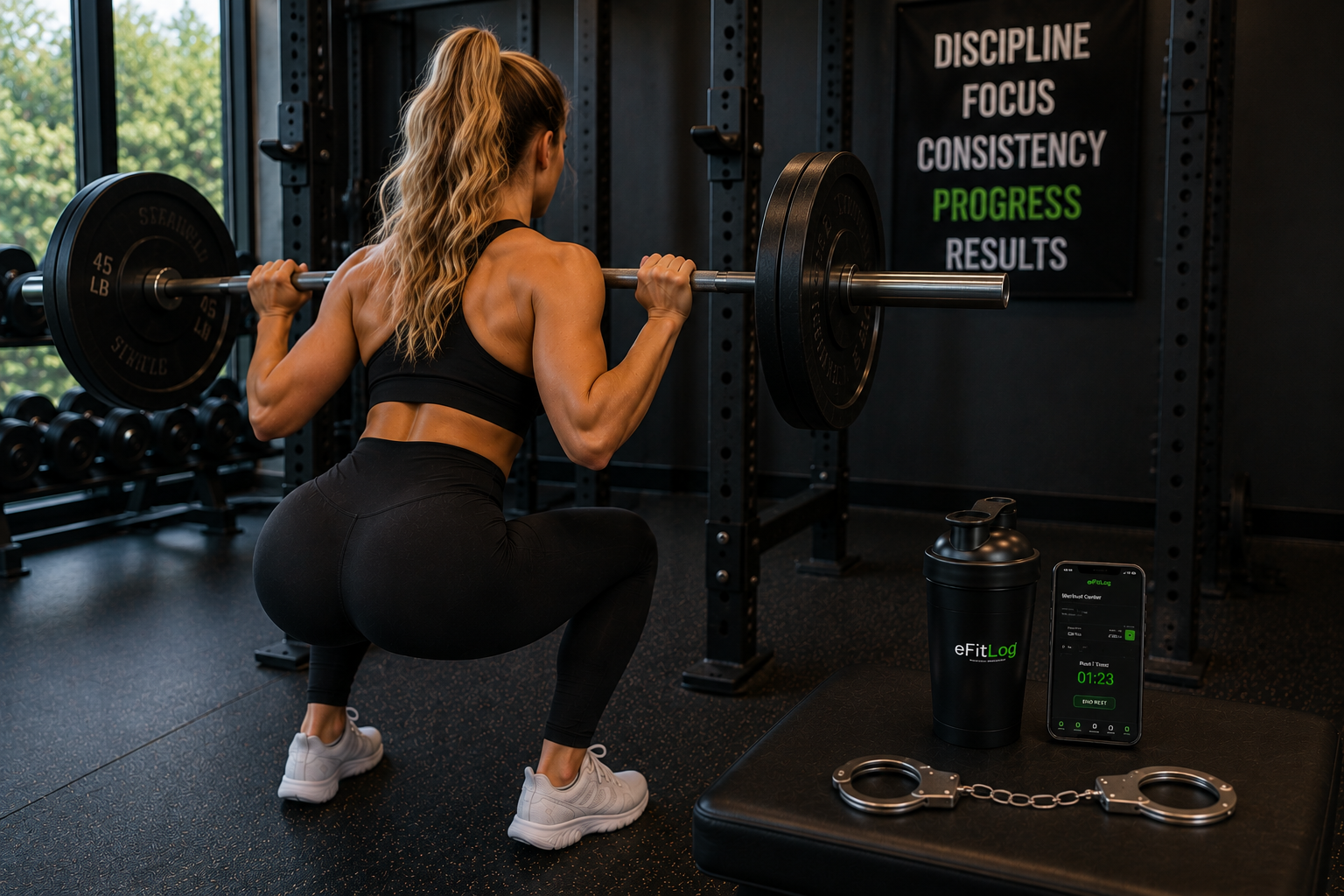
eFitLog gives me the plan. It doesn't handcuff me to it.
Sometimes I Discover Something New
I've had this happen during my own training.
I find an exercise I want to incorporate that isn't already in my exercise list.
I don't want to stop the workout, go somewhere else in the app, build the exercise, edit everything, reload the workout, and then finally come back and perform it.
So I don't.
I can add a new exercise while I'm working out.
Boom. It's there.
I can select it and perform it.
But here's the part I really like: that exercise doesn't disappear when tonight's workout ends. I've added it to eFitLog, so it's available the next time I want to use it.
Then maybe I perform it again.
And again.
Eventually I realize, I really like this exercise. It's staying.
Now I can go back and edit my workout so the new exercise becomes part of the plan going forward.
What started as a decision I made in the middle of one workout has become part of how I train.
That's exactly how I think a workout tracker should work.
Structure Without the Handcuffs
I believe in planning my workouts. That's why eFitLog includes workouts, routines, scheduling, workout history, and all the other tools I've built around planning and measuring training.
But planning and rigidity aren't the same thing.
My workout gives me a starting point.
My previous performance gives me context.
My workout history gives me information.
The rest timer helps me control my rest periods.
My sets give me a record of what I actually accomplished.
But I still make the training decisions.
I decide the weight.
I decide the reps.
I decide how many sets I'm doing.
I decide whether an exercise stays, gets skipped, gets changed, or gets replaced by something I discovered five minutes ago.
That's intentional.
The App Should Adapt to the Workout
There's a larger design philosophy behind all of this.
Software tends to create workflows. First do this. Then do this. Go here. Select that. Save this. Return there.
That makes sense to the software.
It doesn't always make sense to the person standing in front of a loaded barbell waiting to perform another set.
I wanted eFitLog to work differently.
When I'm training, the workout is the priority.
The app needs to give me the information I need when I need it and then get out of the way. If tonight's workout changes, the app needs to change with it. If the way I train evolves over time, my workouts and routines need to evolve with me.
That's why so much information and functionality lives directly in the Workout Center. Previous performance, exercise history, sets, notes, the rest timer, changing exercises, adding exercises—those things belong where I'm actually making those decisions.
I didn't build eFitLog to tell people there is only one correct way to train.
I built it to give people structure when they need structure, information when they need information, and flexibility when the workout doesn't go exactly according to plan.
Because that's how I use it.
And that's how I train.
I plan my workouts. I don't script them.
Your workout tracker should adapt to your workout, your decisions, and your training style.
You shouldn't have to adapt your workout to your app.
That's why eFitLog is built the way it is.
Find the confidence to start. We'll help you build the confidence to succeed.
That is the eFitLog promise.
← Back to Blog